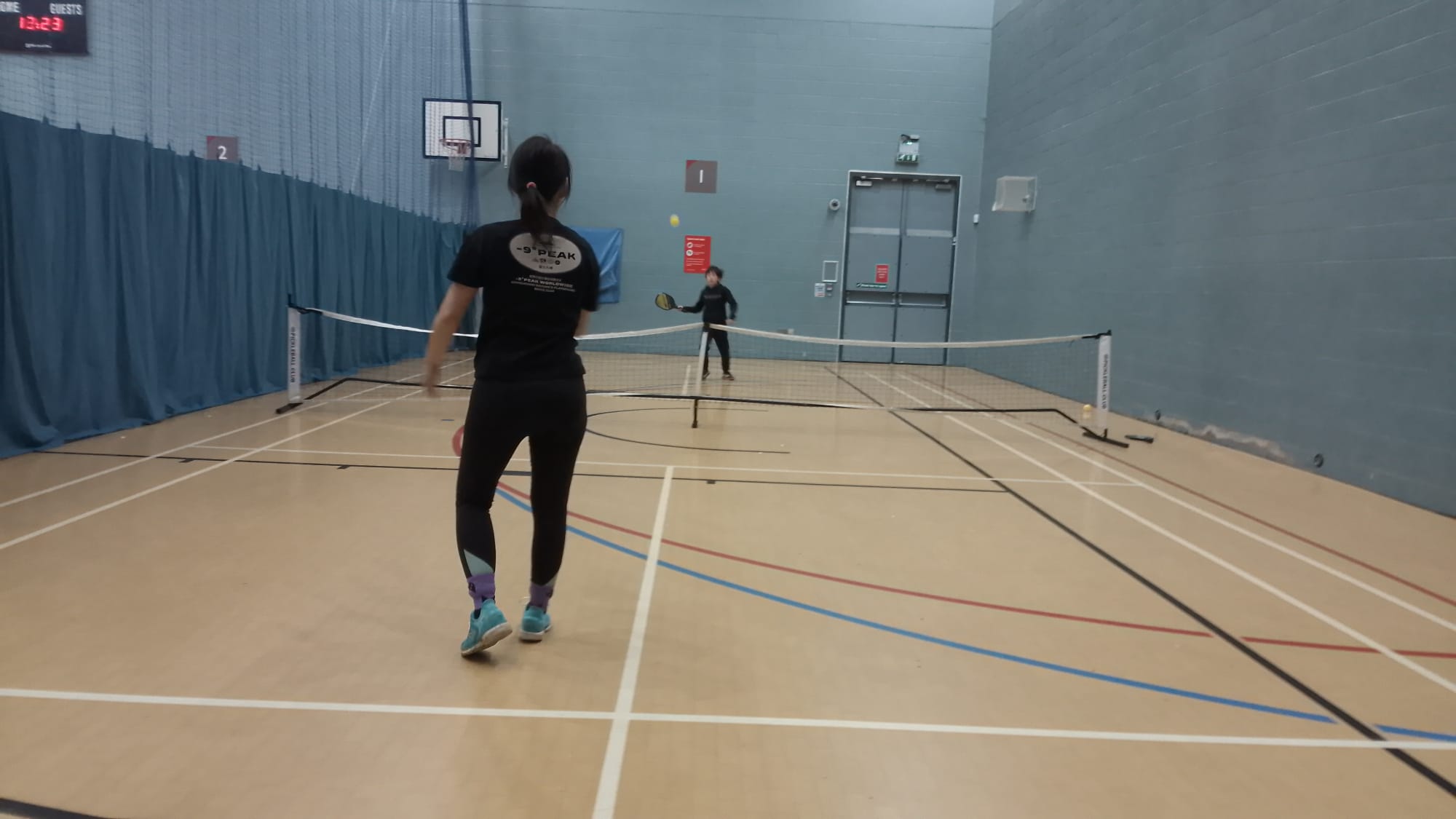
If you’ve walked past a park or community center recently, you’ve probably heard the unmistakable pop-pop of a paddle meeting a plastic ball. That sound belongs to pickleball—a sport that has quietly, and now very loudly, become one of the fastest-growing activities in the world. Its rise might seem sudden, but the reasons behind its popularity are surprisingly simple and deeply connected to what people are looking for today.
At its core, pickleball is incredibly easy to pick up. Unlike many sports that require long practice sessions just to get the basics right, beginners can start rallying within minutes. The court is smaller than a tennis court, the paddle is lightweight, and the rules are straightforward. Yet what keeps people coming back is that the game doesn’t lose its depth. As players improve, pickleball becomes a game of finesse and strategy, where placement, timing, and quick thinking matter just as much as physical ability.
Another reason for its rapid growth is how inclusive it feels. Pickleball doesn’t belong to one age group—it belongs to everyone. Teenagers, parents, and grandparents can all share the same court and genuinely enjoy the experience together. For older players, it offers a way to stay active without the physical strain of more demanding sports. For younger players, it delivers fast-paced fun without a steep learning curve. That rare cross-generational appeal has helped it spread quickly through communities.
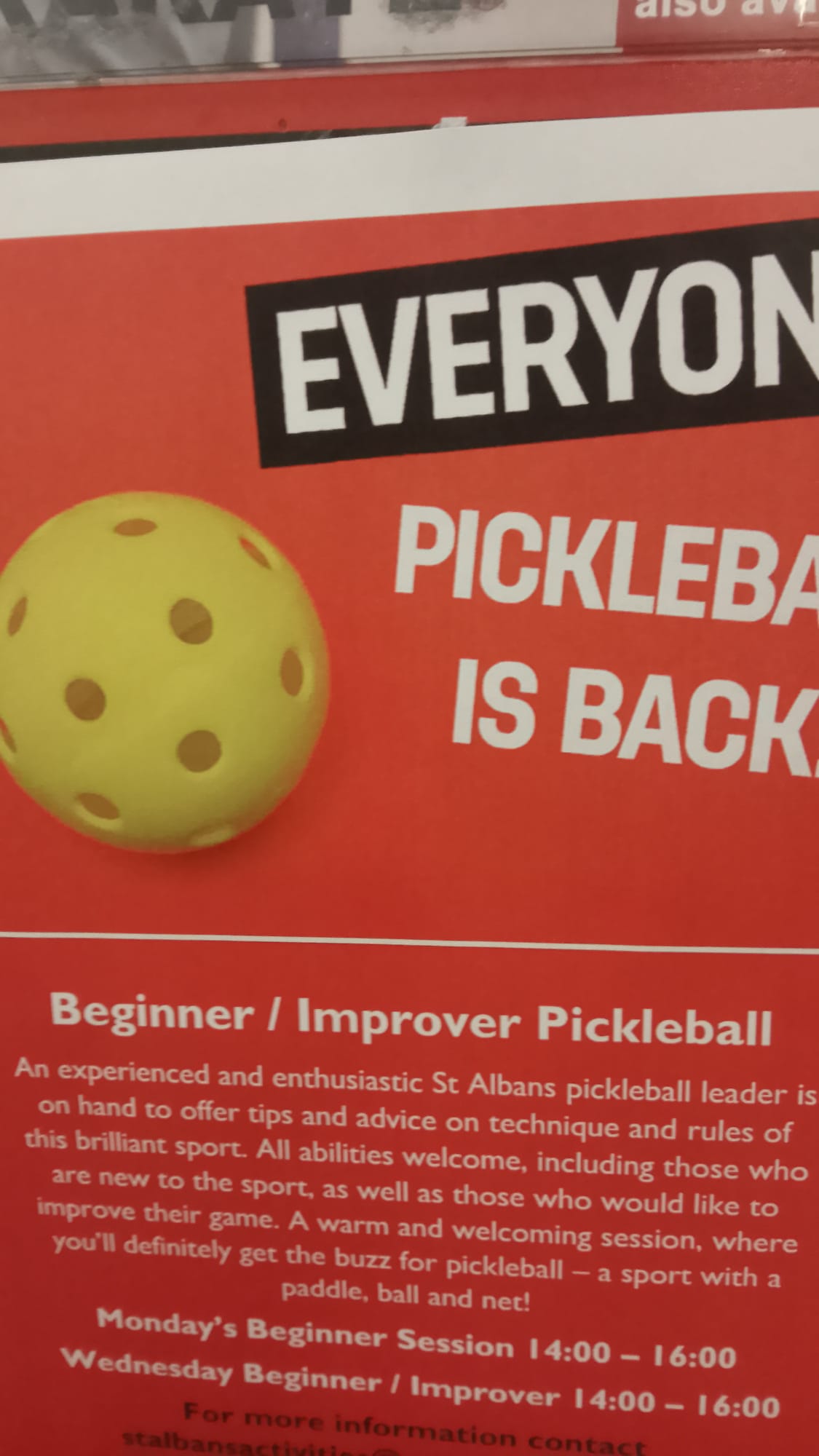
Beyond accessibility, pickleball also hits a sweet spot when it comes to fitness. It provides a solid workout, improving coordination, balance, and cardiovascular health, but it does so without feeling overwhelming. The smaller court means less running, and the pace allows players to stay engaged without exhaustion. For many people who find gyms repetitive or high-intensity sports intimidating, pickleball feels like a refreshing alternative—exercise that doesn’t feel like a chore.
There’s also something uniquely social about the game. Most matches are played in doubles, and because games are relatively short, players rotate in and out frequently. This creates a natural rhythm of play, rest, and conversation. It’s not unusual for strangers to become regular playing partners within a few sessions. In a time when genuine social interaction can feel harder to come by, pickleball offers an easy, low-pressure way to connect with others.
The sport’s growth has been further accelerated by increasing visibility and investment. More parks and recreation centers are adding dedicated courts, sometimes even repurposing tennis courts to meet demand. At the same time, professional leagues are forming, and well-known athletes and celebrities are backing teams and events. Social media has amplified all of this, turning what was once a local pastime into a widely recognized phenomenon.
Affordability plays a major role as well. Getting started in pickleball doesn’t require expensive gear or memberships. A paddle and a few balls are enough, and many courts are free to use. This low barrier to entry makes it accessible to a wide range of people, removing one of the biggest obstacles that often prevents someone from trying a new sport.
Perhaps most importantly, pickleball fits neatly into modern life. Games are quick, often lasting just 10 to 15 minutes, making it easy to play a few rounds without committing an entire afternoon. Whether it’s a quick match before work, a casual game after school, or a weekend gathering with friends, it adapts effortlessly to busy schedules.
In the end, pickleball’s popularity isn’t just about the game itself—it’s about how it makes people feel. It’s approachable, social, active, and fun without being overwhelming. In a world where many people are searching for simple ways to stay healthy and connected, pickleball delivers exactly that. And that’s why its rise feels less like a passing trend and more like the beginning of something lasting.